


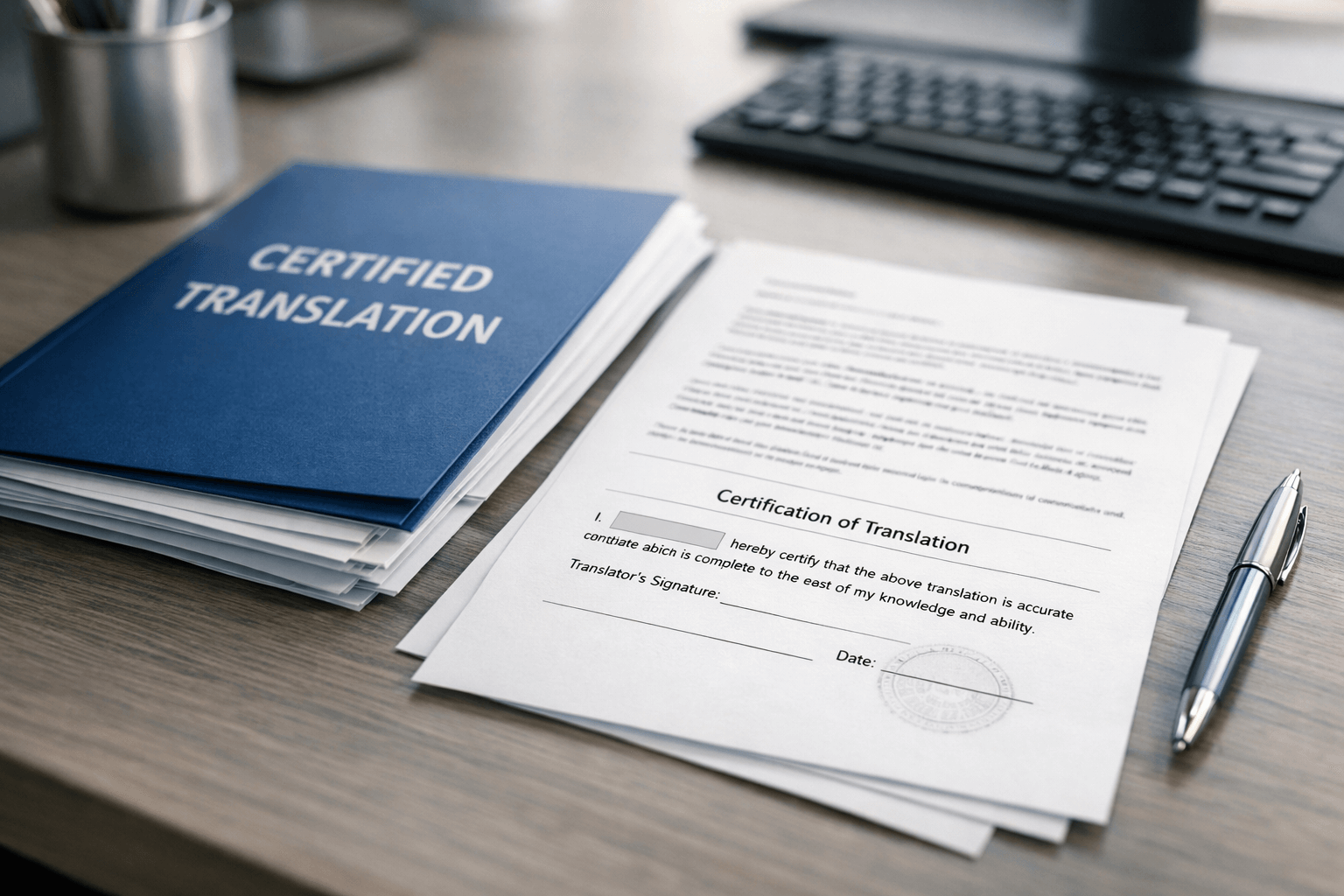
If you searched “amanara certified translation”, you’re probably trying to do one of three things:
- Confirm you’ve found the right provider (and not a similar-sounding name or lookalike website)
- Check what “certified translation” should include so your documents don’t get questioned
- Compare alternatives like Amarean certified translation, Baraka certified translations, or Lofta certified translation (often searched by people handling UK + overseas paperwork)
This guide is built to help you choose confidently—without guesswork, wasted fees, or delays.
The quick answer
A “certified translation” is only useful if it matches what the receiving authority expects.
Most UK organisations want a full, accurate translation plus a translator’s confirmation (often called a certificate of accuracy) that includes key identity details. Some overseas authorities also require notarisation or apostille/legalisation.
If you want a safe, straightforward route for UK submissions, start here:
- For UK-ready certified translations: Certified translation service
- If the destination requires legal authentication: Notarised translation service
- If you’re not sure what level you need: Contact us and upload your file for a clear recommendation.
Why these searches happen: Amanara, Amarean, Baraka, Lofta
These names tend to appear together in search results because people are often:
- Comparing providers before uploading sensitive documents
- Searching by word of mouth (“I was told it was Amanara… or Amarean?”)
- Mixing UK requirements with overseas requirements (common with embassy, attestation, and Gulf-region submissions)
Common mix-ups we see
- Amanara vs Amarean (similar sound; different businesses)
- Baraka certified translations vs a general “Baraka translation” search
- Lofta certified translation (often searched for Middle East paperwork; not automatically the same as what UK authorities want)
The solution is simple: don’t pick based on the name alone—pick based on acceptance requirements and verifiable provider details.
What a certified translation should include (so it’s accepted)
Before you pay anyone, make sure your translation will come with a certification statement that covers the essentials.
A solid certified translation pack usually includes:
- Complete translation of all visible text (including stamps, seals, handwritten notes, marginal text, reference numbers)
- Translator’s confirmation of accuracy (wording varies, meaning should be clear)
- Date of translation
- Translator’s full name
- Signature (wet signature for hard copies if required; e-signature sometimes acceptable)
- Contact details (so it can be independently verified if needed)
If any of these pieces are missing, you’re relying on luck.
Certified vs sworn vs notarised vs apostille (what to order)
People often order the wrong level because the words sound official. Here’s the practical difference.
Certified translation
Best for most UK submissions (immigration supporting documents, universities, employers, banks, many applications). A certificate of accuracy is attached.
Start here: Certified translation service
Sworn translation
Required mainly when the receiving country uses a formal sworn system (common in parts of Europe and Latin America). If your receiving authority asks specifically for a sworn translator or court-appointed expert, you may need: Sworn translation service
Notarised translation
Adds a notary layer (identity/authentication step) used for certain embassies, overseas legal matters, and some international submissions.
If your authority mentions “notary”, “affidavit”, “notarial certificate”, or “notary seal,” use: Notarised translation service
Apostille / legalisation
This is about confirming authenticity for international use (often after notarisation). Requirements vary by country and document type. If your destination mentions “apostille”, “FCDO legalisation”, or “attestation,” don’t guess—ask first.
If your case involves overseas acceptance, message us here: Contact us
Amanara / Amarean / Baraka / Lofta: how to compare providers (without overthinking)

You don’t need a spreadsheet. You need a short, reliable checklist.
1) Verify you’re dealing with a real, accountable business
Look for:
- A clearly stated registered address
- A working email + phone
- Transparent terms and privacy info
- A consistent business identity (same name across website, emails, invoices)
Tip: If you’re comparing multiple providers, confirm that their business identity (name and registration details) matches what they present publicly.
2) Confirm what you’ll actually receive
Ask this question before paying:
“Will I receive a full translation plus a signed certification statement with name, date, signature, and contact details?”
If the answer is vague, that’s a risk.
3) Match delivery format to your deadline
Most cases succeed with digital PDF delivery. You may need hard copy if:
- An embassy requires wet-ink signatures
- A court/solicitor requests an original-stamped pack
- Your receiving authority explicitly says “original” or “postal copy”
4) Confirm scope (what is included in “full translation”)
The fastest way to get a translation questioned is partial scope. Make sure it includes:
- Stamps and seals
- Handwritten notes
- Back pages (ID cards, certificates with reverse-side text)
- Reference numbers and issuing authority lines
The 60-second verification test (use this before you upload anything)
If a provider passes these, you’re usually in safe hands.
Identity
- Do they show a real address and business details?
- Do emails come from the same domain as the website?
Certificate
- Will they include a certificate of accuracy with the required details?
Coverage
- Do they translate stamps, handwritten notes, and all pages?
Process
- Do they confirm turnaround and format (PDF vs hard copy) upfront?
Support
- If an authority asks a question, will they respond quickly and professionally?
If you want a provider to run this check for you, upload your scan here: Contact us
A copy-and-paste certification statement template (what “good” looks like)

Use this as a benchmark when reviewing any provider’s sample.
Certificate of Translation Accuracy
I, [Translator Full Name], confirm that I am fluent in [Source Language] and English, and that the attached translation is a true and accurate translation of the original document presented to me.
Name: [Translator Full Name]
Signature: ____________________
Date: [DD Month YYYY]
Contact details: [Email, Phone, Address]
Credentials (optional but helpful): [Memberships/Qualifications]
If your provider won’t include something like this (with real identifying details), your translation may be harder to verify.
When people search “Lofta certified translation” (and what to do if your documents are for the UK)
Lofta certified translation is commonly searched by people dealing with documents connected to the Gulf region. That’s not automatically a problem—but the important detail is this:
- A translation that is “certified” in one country may not match what another authority expects.
- UK authorities typically care about accuracy, completeness, and verifiable translator identity—not a specific overseas stamp by itself.
If your documents are destined for a UK submission, the safest approach is to order a UK-style certified translation with a clear certificate statement and verifiable contact details.
Start here: Certified translation service

Real-world scenarios (and the safest order choice)
“I’m submitting to an embassy / overseas authority”
Ask the embassy whether they require:
- Certified translation only
- Notarised translation
- Apostille/legalisation after notarisation
If you’re unsure, send us the destination country + document type and we’ll tell you the correct route: Contact us
“I’m applying for a UK visa / submitting documents to UK authorities”
In most cases you need:
- Full translation
- Certificate of accuracy with translator details
- Digital PDF is usually fine (unless they ask for originals)
Start: Certified translation service
“My solicitor asked for notarised translations”
Order: Notarised translation service
This is often requested for legal proceedings, affidavits, or overseas legal use.
“I need sworn translation for international court use”
Order: Sworn translation service
Only when the receiving jurisdiction explicitly requires sworn/court-appointed translators.
A better alternative when you want zero doubt: UK Certified Translation
If you’re comparing providers and want a clear, UK-ready process, we make it simple:
- Upload your document and tell us where it’s going
- We confirm the right certification level (certified / sworn / notarised)
- You receive a completed translation with the required certification statement
- Digital delivery by default; hard copy available when needed
You can start in under two minutes here: Get a free quote
“Uploaded my file in minutes and got the signed PDF back the next day. Solid service.” — Emma B.
“They kept me updated at every step and delivered exactly what I needed.” — Maria L.

FAQ
What does “amanara certified translation” usually mean?
It’s typically a search for a certified translation provider named Amanara, or a user comparing providers before choosing. The key is not the name—it’s whether the translation includes the certificate details your authority requires.
Is Amarean certified translation the same as Amanara?
They can be confused because the names sound similar, but they are not the same name. Always verify the provider’s domain, address, and business identity before paying.
Are Baraka certified translations accepted in the UK?
Acceptance depends on whether the translation is complete and includes a proper certification statement with verifiable translator details. If it does, it’s generally suitable for many UK submissions.
What is Lofta certified translation used for?
Lofta is often searched in connection with Middle East document workflows. If your destination is the UK, make sure your translation follows UK-style certification requirements, not only an overseas “certified” stamp.
Do I need notarisation for a UK certified translation?
Not usually—only when the receiving authority explicitly asks for notarisation, a notary seal, or an affidavit-style confirmation. If you’re unsure, send the requirement wording to Contact us.
Can I use a scanned photo of my document?
Yes—if it’s sharp, complete, and includes all edges/pages. For best results, send a clear PDF scan where possible.